Quick Connect: 844.COFC.911

Field Tool Maintenance Starts With the Basics
A worn ratchet or a rusted socket doesn't fail all at once. It fails one skipped cleaning at a time. That's the throughline of a July 27 Fleet Maintenance piece on tool care, built in part around comments from Coltrain Onsite Fleet Care's own Regional Vice President, Christopher Boyce.
Why Field Tool Maintenance Looks Different for Mobile Techs
Boyce's comments in the piece connect tool hygiene directly to diagnostic quality and repair speed, not just tool lifespan. He recommended cleaning the worksite, tools, and components before repair work starts, since field conditions accelerate wear in ways a fixed shop bay never has to deal with. His approach comes down to "cleaning as you go" between jobs, rather than letting grease and grime build up over a shift.
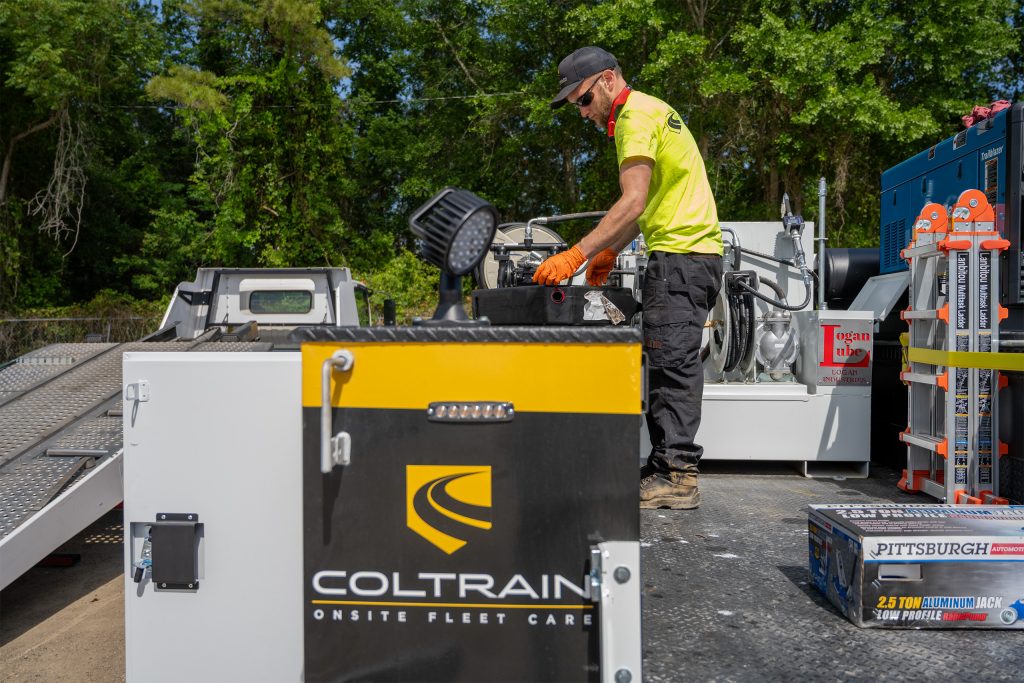
That distinction matters more for Coltrain than for most shops quoted in trade press. Coltrain's mobile service units work in customer yards and in weather a stationary bay never sees. Field tool maintenance on a Coltrain truck means managing dust, fluid exposure, and temperature swings a climate-controlled shop simply doesn't face. A technician who wipes down a wrench before the next call is protecting more than the tool. He's protecting the diagnosis on the next truck.
Boyce also pointed to something simpler than specialty products: a degreaser, or even automatic transmission fluid, handles most metal cleaning jobs, paired with basic lubrication to keep moving parts working. Nothing exotic. Just consistency.
What Field Tool Maintenance Means for Coltrain Customers
This isn't a customer-facing service line. It's an operational habit that shows up indirectly, in fewer comebacks, fewer misdiagnoses, and technicians who show up ready to work instead of hunting for a clean tool. That discipline is part of what backs Coltrain's 95% on-site repair success rate.
Getting quoted alongside other established names in fleet and shop operations is a solid marker of where Coltrain sits in that broader conversation. Read Boyce's full comments and the rest of the piece on tool care at Fleet Maintenance.

MORE ARTICLES
Electronic PM Inspection: How SHIELD™ Documents Every Job
Coltrain Onsite Fleet Care Celebrates 1 Year Anniversary, Launches SHIELD™, a Purpose-Built Field Service Application to Raise the Standard for Quality in Mobile Fleet Maintenance
